
Close Menu

    Subscribe to Updates

    Get the latest creative news from infofortech

    What's Hot

    Alaska Air sustainability director lays out strategy for low-carbon flying at Climate Week NYC – GeekWire

    September 24, 2026

    Containment is dead: Five takeaways from the AI ROI in Contact Center Summit

    September 23, 2026

    How to Use AI Agents to Fact-Check and Copy Edit Your Content

    September 23, 2026
    Facebook X (Twitter) Instagram
    InfoForTech
    • Home
    • Latest in Tech
    • Artificial Intelligence
    • Cybersecurity
    • Innovation
    Facebook X (Twitter) Instagram
    InfoForTech
    Home»Artificial Intelligence»Using synthetic biology and AI to address global antimicrobial resistance threat | MIT News
    Artificial Intelligence

    Using synthetic biology and AI to address global antimicrobial resistance threat | MIT News

    InfoForTechBy InfoForTechFebruary 11, 2026No Comments2 Mins Read
    Facebook Twitter Pinterest Telegram LinkedIn Tumblr WhatsApp Email
    Using synthetic biology and AI to address global antimicrobial resistance threat | MIT News
    Share
    Facebook Twitter LinkedIn Pinterest Telegram Email


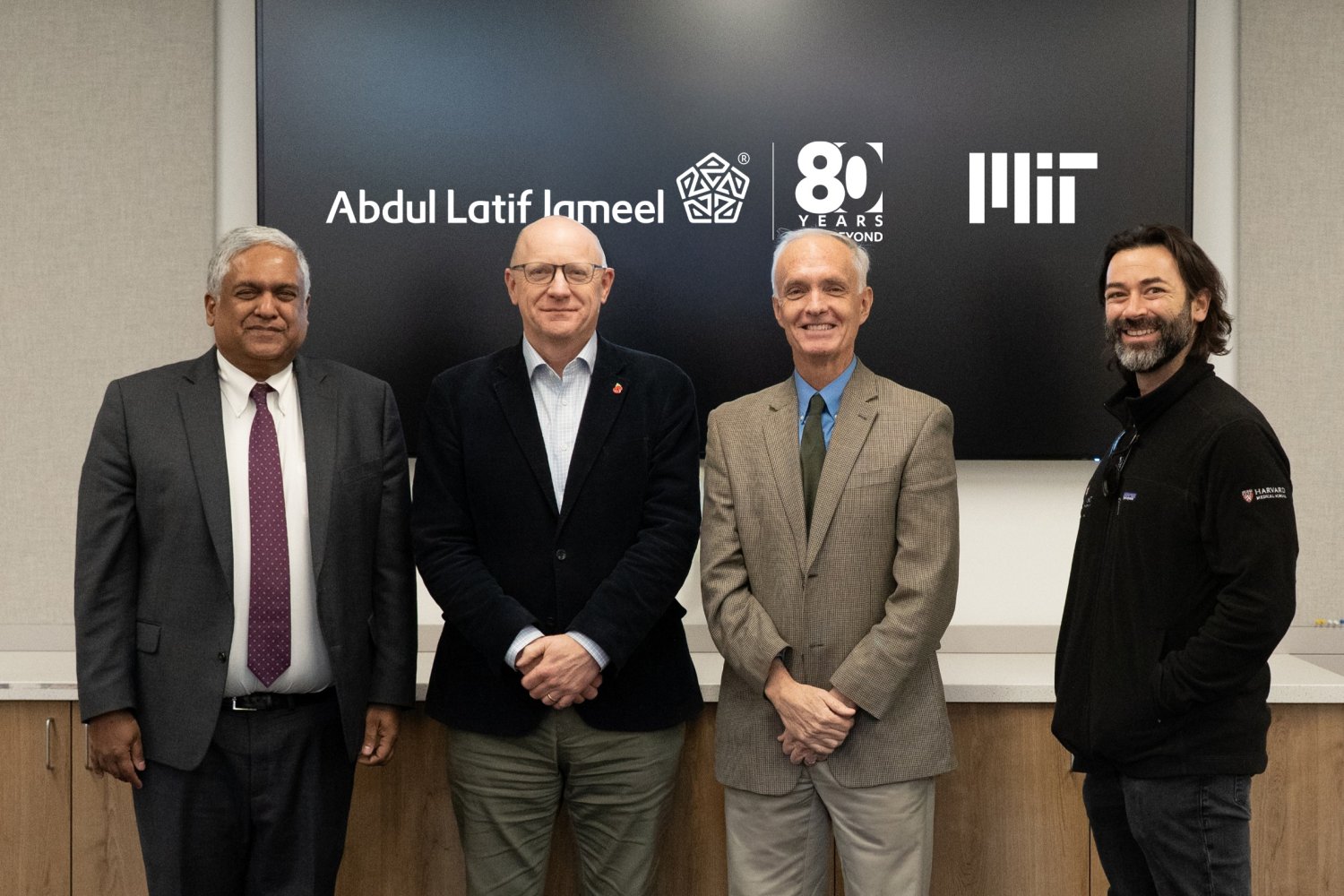
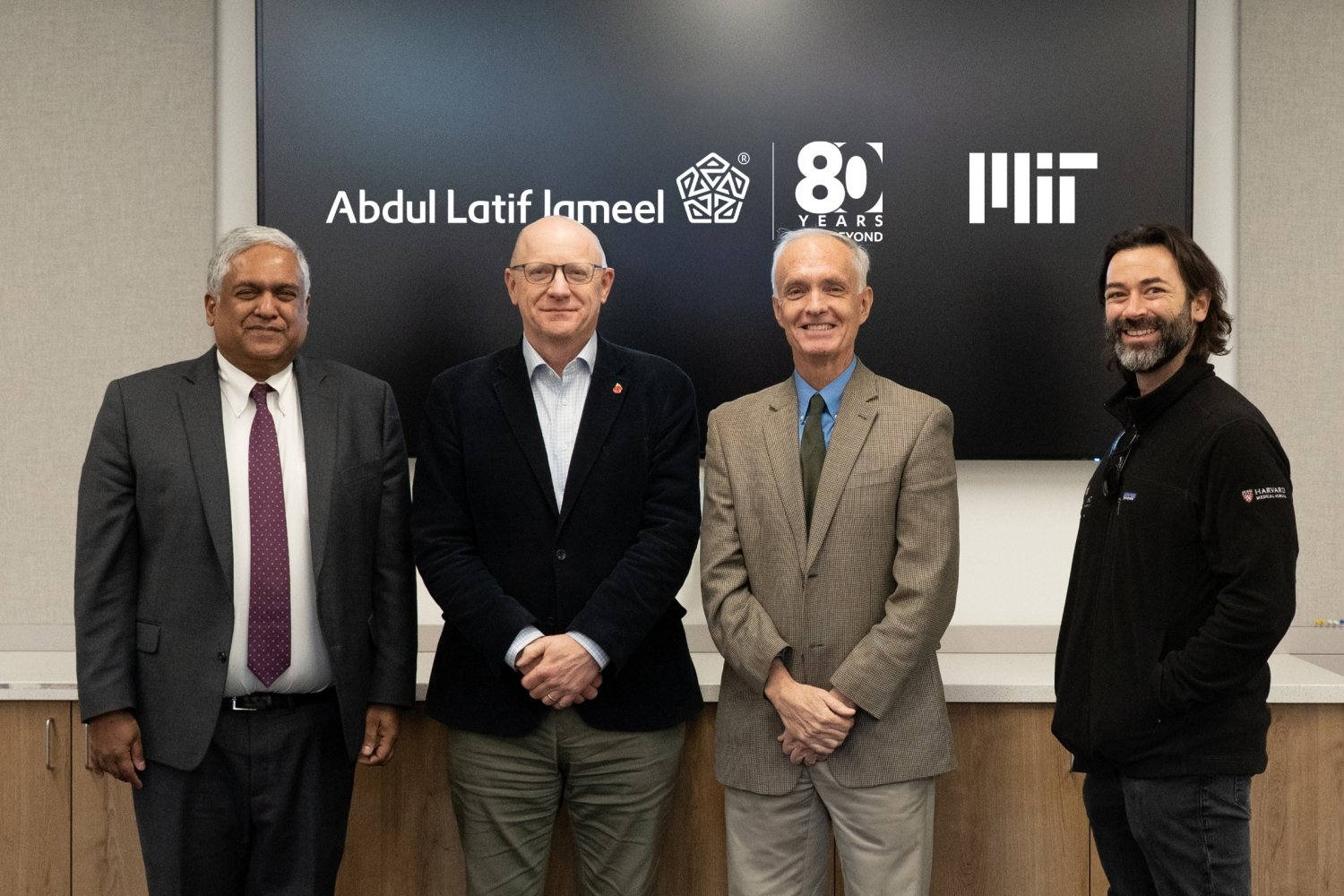
    James J. Collins, the Termeer Professor of Medical Engineering and Science at MIT and faculty co-lead of the Abdul Latif Jameel Clinic for Machine Learning in Health, is embarking on a multidisciplinary research project that applies synthetic biology and generative artificial intelligence to the growing global threat of antimicrobial resistance (AMR).

    The research project is sponsored by Jameel Research, part of the Abdul Latif Jameel International network. The initial three-year, $3 million research project in MIT’s Department of Biological Engineering and Institute of Medical Engineering and Science focuses on developing and validating programmable antibacterials against key pathogens.

    AMR — driven by the overuse and misuse of antibiotics — has accelerated the rise of drug-resistant infections, while the development of new antibacterial tools has slowed. The impact is felt worldwide, especially in low- and middle-income countries, where limited diagnostic infrastructure causes delays or ineffective treatment.

    The project centers on developing a new generation of targeted antibacterials using AI to design small proteins to disable specific bacterial functions. These designer molecules would be produced and delivered by engineered microbes, providing a more precise and adaptable approach than traditional antibiotics.

    “This project reflects my belief that tackling AMR requires both bold scientific ideas and a pathway to real-world impact,” Collins says. “Jameel Research is keen to address this crisis by supporting innovative, translatable research at MIT.”

    Mohammed Abdul Latif Jameel, chair of Abdul Latif Jameel, says, “antimicrobial resistance is one of the most urgent challenges we face today, and addressing it will require ambitious science and sustained collaboration. We are pleased to support this new research, building on our long-standing relationship with MIT and our commitment to advancing research across the world, to strengthen global health and contribute to a more resilient future.”

    Share. Facebook Twitter Pinterest LinkedIn Tumblr Email
    InfoForTech
    • Website

    Related Posts

    How to Use AI Agents to Fact-Check and Copy Edit Your Content

    September 23, 2026

    Poitras Center to fuel early careers of 50 young scientists dedicated to psychiatric disorders research | MIT News

    September 22, 2026

    Why AI Adaptation, Not Adoption, Is the Real Work Ahead

    September 22, 2026

    AI in Business: Overcoming Deployment Challenges

    September 21, 2026

    A new chapter for MIT Reads | MIT News

    September 19, 2026

    AI that knows its limits

    September 18, 2026
    Leave A Reply Cancel Reply

    Advertisement
    Top Posts

    A Billionaire-Backed Startup Wants to Grow ‘Organ Sacks’ to Replace Animal Testing

    March 23, 2026379 Views

    DoJ Disrupts 3 Million-Device IoT Botnets Behind Record 31.4 Tbps Global DDoS Attacks

    March 20, 202641 Views

    Mayiduo spent S$1M to produce his movie. It broke even & that’s a win in S’pore.

    March 31, 202634 Views

    How is Luckin Coffee expanding rapidly in S’pore while keeping its coffee so cheap?

    April 23, 202622 Views
    Stay In Touch
    • Facebook
    • Twitter
    • Pinterest
    • Instagram
    • YouTube
    • Vimeo
    Advertisement
    About Us
    About Us

    Our mission is to deliver clear, reliable, and up-to-date information about the technologies shaping the modern world. We focus on breaking down complex topics into easy-to-understand insights for professionals, enthusiasts, and everyday readers alike.

    We're accepting new partnerships right now.

    Facebook X (Twitter) YouTube
    Most Popular

    A Billionaire-Backed Startup Wants to Grow ‘Organ Sacks’ to Replace Animal Testing

    March 23, 2026379 Views

    DoJ Disrupts 3 Million-Device IoT Botnets Behind Record 31.4 Tbps Global DDoS Attacks

    March 20, 202641 Views

    Mayiduo spent S$1M to produce his movie. It broke even & that’s a win in S’pore.

    March 31, 202634 Views
    Categories
    • Artificial Intelligence
    • Cybersecurity
    • Innovation
    • Latest in Tech
    © 2026 All Rights Reserved InfoForTech.
    • Home
    • About Us
    • Contact Us
    • Privacy Policy

    Type above and press Enter to search. Press Esc to cancel.

    Ad Blocker Enabled!
    Ad Blocker Enabled!
    Our website is made possible by displaying online advertisements to our visitors. Please support us by disabling your Ad Blocker.