

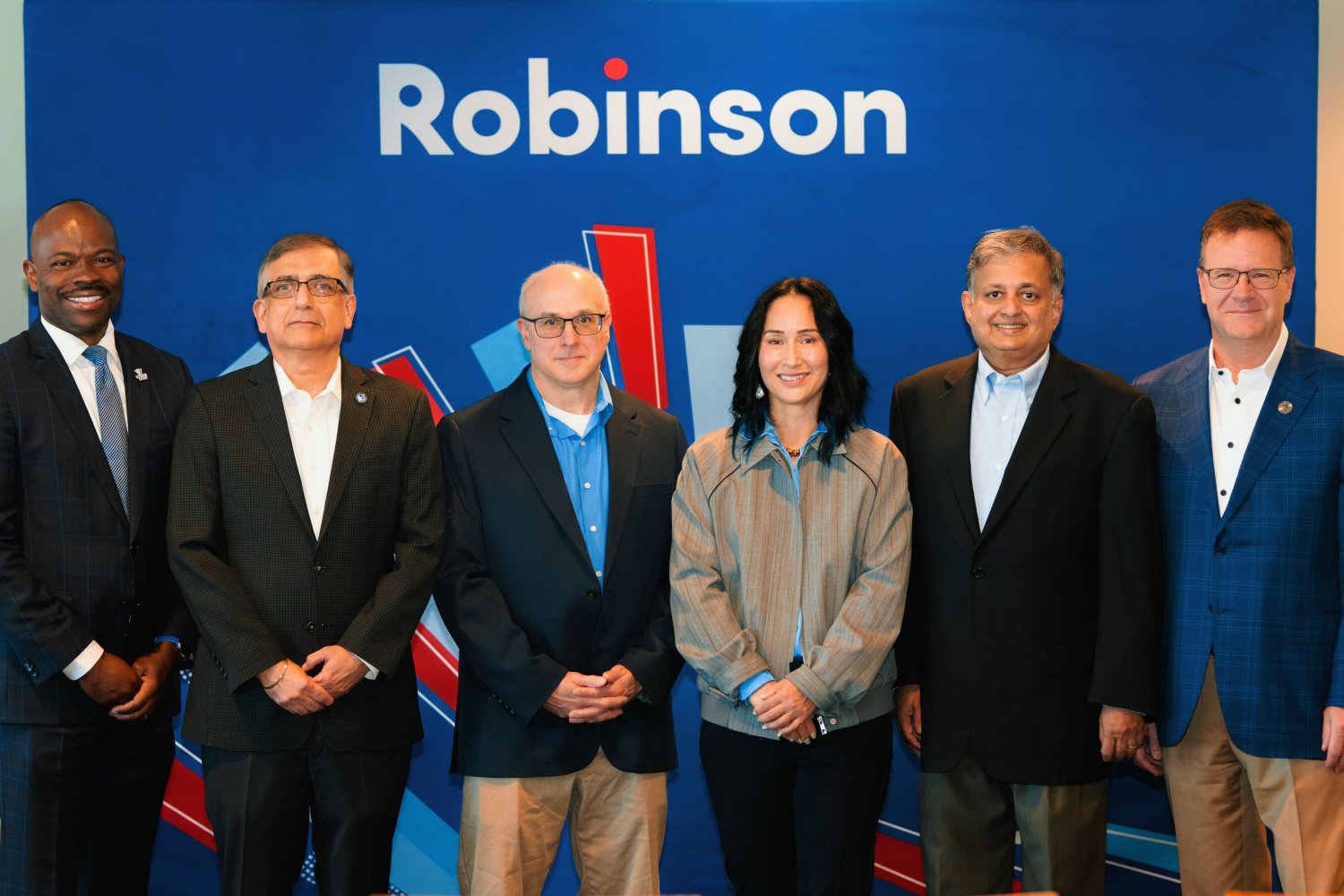
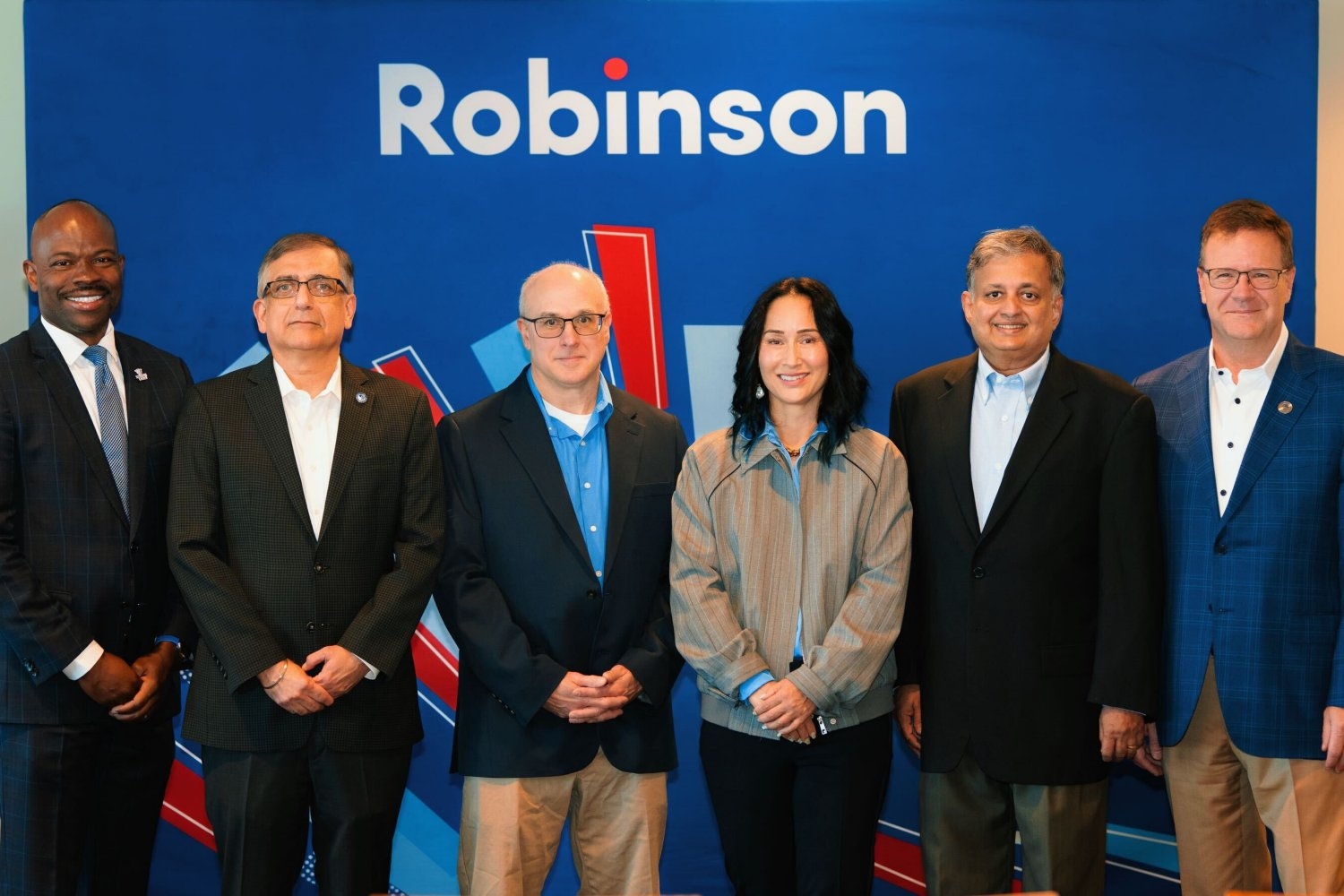
MIT, in collaboration with Georgia State University and a growing network of educational institutions, has announced expanded work under PATH (Pathways for AI Training and Hiring) — a multiyear initiative designed to scale effective, affordable, industry-aligned AI training for entry-level and current workers, with a particular focus on transforming community colleges into engines powering an AI-enabled workforce for the nation.
“In the era of AI, economic opportunity and mobility will increasingly depend on whether people can develop practical, industry-relevant AI skill sets and mindsets, not just familiarity with tools,” says Cynthia Breazeal, principal investigator (PI) of PATH and professor of media arts and sciences at MIT. “That means combining hands-on, work-learn experiences with strong technical foundations and the responsible design, professional, and human skills that employers are looking for.”
To make that possible, the initiative is building state-based hubs anchored by research universities and community colleges. Each hub works with regional employers to design curricula that reflect local industry needs. The program also provides professional development for instructors and develops modular, open educational materials that institutions can adapt and share.
“Artificial intelligence is shaping every sector of the economy, and the United States will need far more people who understand how to build with these technologies and apply them responsibly,” says MIT President Sally Kornbluth. “Through PATH, MIT RAISE is using our convening power to bring community colleges, industry, research universities, and government together to build human-centered AI pathways that lead to shared prosperity. When research universities contribute their expertise to expand access and economic mobility, we strengthen both the nation’s workforce and our collective capacity for innovation.”
Unlike many large-scale online training efforts, PATH emphasizes in-person, collaborative learning. Students work in teams to address real problems brought by industry collaborators. These projects mirror the kinds of challenges graduates will face in the workplace, helping them build technical skills alongside the judgment, communication, collaboration, and ethical awareness that employers increasingly value.
The initiative’s first two hubs launched earlier this year in Massachusetts and Georgia.
“As PIs for the Georgia PATH hub, we are very excited with the significant early momentum, with over 1,000 GSU students enrolled in PATH courses,” says Arun Rai, regents’ professor, Howard S. Starks Distinguished Chair, and director of the Center for Digital Innovation at Georgia State University (GSU), with Balasubramaniam Ramesh, regents’ professor and the George E. Smith Eminent Scholar’s Chair at GSU. “Our curriculum, co-designed with MIT RAISE and spanning AI foundations, data science, deep learning, and agentic AI systems, is now being shared with partner institutions including Georgia Gwinnett College, GSU Perimeter College, and Clark Atlanta University. By leveraging the University System of Georgia’s FinTech Academy to expand work-based learning opportunities, we are building a collaborative ecosystem that rapidly advances the state’s AI workforce capabilities and creates tangible, job-ready skills for our diverse student population.”
GSU President Brian Blake says, “Our collaboration with MIT reflects a shared commitment to strengthening the nation’s AI talent pipeline. Georgia State University brings a distinctive strength to this effort — the ability to prepare students from all backgrounds for AI-enabled careers at scale. By combining academic rigor with strong industry partnerships and work-based learning, we are translating advances in AI into practical skills and expanding access to opportunities in this transformative era.”
In Massachusetts, students at Quinsigamond Community College are participating in Data Science in Action, a course that introduces AI-enabled data analysis and engineering. The class includes a hands-on Action Lab, modeled after experiential learning programs at the MIT Sloan School of Management. David Birnbach, lecturer at MIT Sloan, leads the design framework for the PATH Action Labs. Working with industry partners, students tackle real data challenges while building portfolio projects and professional connections.
Beyond individual courses, PATH is building clearer pathways for students to turn AI learning into real job opportunities. Through industry-informed micro-credentials and a shared set of workforce skills, students will gain practical abilities that employers are actually looking for, along with the human skills needed to succeed at work, like communication, problem-solving, and collaboration.
The MIT skills taxonomy team, led by Katerina Bagiati in collaboration with Professor Tom Malone from the MIT Sloan Center for Collective Intelligence, is mapping the skills and roles emerging in AI across fields such as financial technology (fintech), information technology, and business operations, with plans to expand into areas such as health care, manufacturing, and creative media. The goal is to help students build skills that are relevant, recognized, and directly connected to growing career paths.
The initiative is supported by a grant to MIT from Google.org, which is helping MIT and its collaborators build a multi-state network for AI workforce development.
“MIT’s PATH initiative offers a blueprint for expanding opportunity in the age of AI,” says Shanika Hope, director of Google.org. “By connecting research universities, community colleges, and industry partners, it helps translate innovation into real jobs and sustainable career pathways.”
PATH is led by Breazeal, who has brought together a cross-MIT team with expertise in AI literacy, workforce pedagogy, educator professional development, open education, research, and the future of work. Breazeal is a professor and director of the MIT RAISE Initiative. Eric Klopfer, director of the STEP Lab and co-director of the MIT RAISE Initiative, serves as a co-PI on this award. The GSU leadership team includes PIs Arun Rai and Balasubramaniam Ramesh.
