


I wasn’t expecting a smartphone brand’s exit to hit me this hard, but OnePlus leaving the US and Europe genuinely did. The company has already confirmed that it will no longer launch new products in either market, although existing customers will continue receiving software updates and after-sales support. So while OnePlus isn’t disappearing altogether, it is walking away from two of the biggest smartphone markets in the world.
To be honest, the Android market in the US already feels limited. If you’re shopping for a flagship, your realistic choices almost always begin with Samsung and end with Google. OnePlus was one of the very few brands sitting in between, offering something that didn’t quite look or feel like everything else. And that’s exactly what I’m going to miss.
Looking back, I don’t think I ever waited for a OnePlus launch because I wanted faster performance or another camera upgrade — of course it came along. But I really waited to see what the company had come up with this time in terms of design, material, or a finish. OnePlus made smartphone launches feel unpredictable, and that’s something very few brands manage today.
The brand that made phones feel different
Whenever I think about the original OnePlus One, I don’t remember its processor or how much RAM it had. I remember the Sandstone back. It was rough, grippy, and unlike anything else I’d ever held. At a time when almost every phone felt either glossy or slippery, the OnePlus One actually made you notice its texture the moment you picked it up.
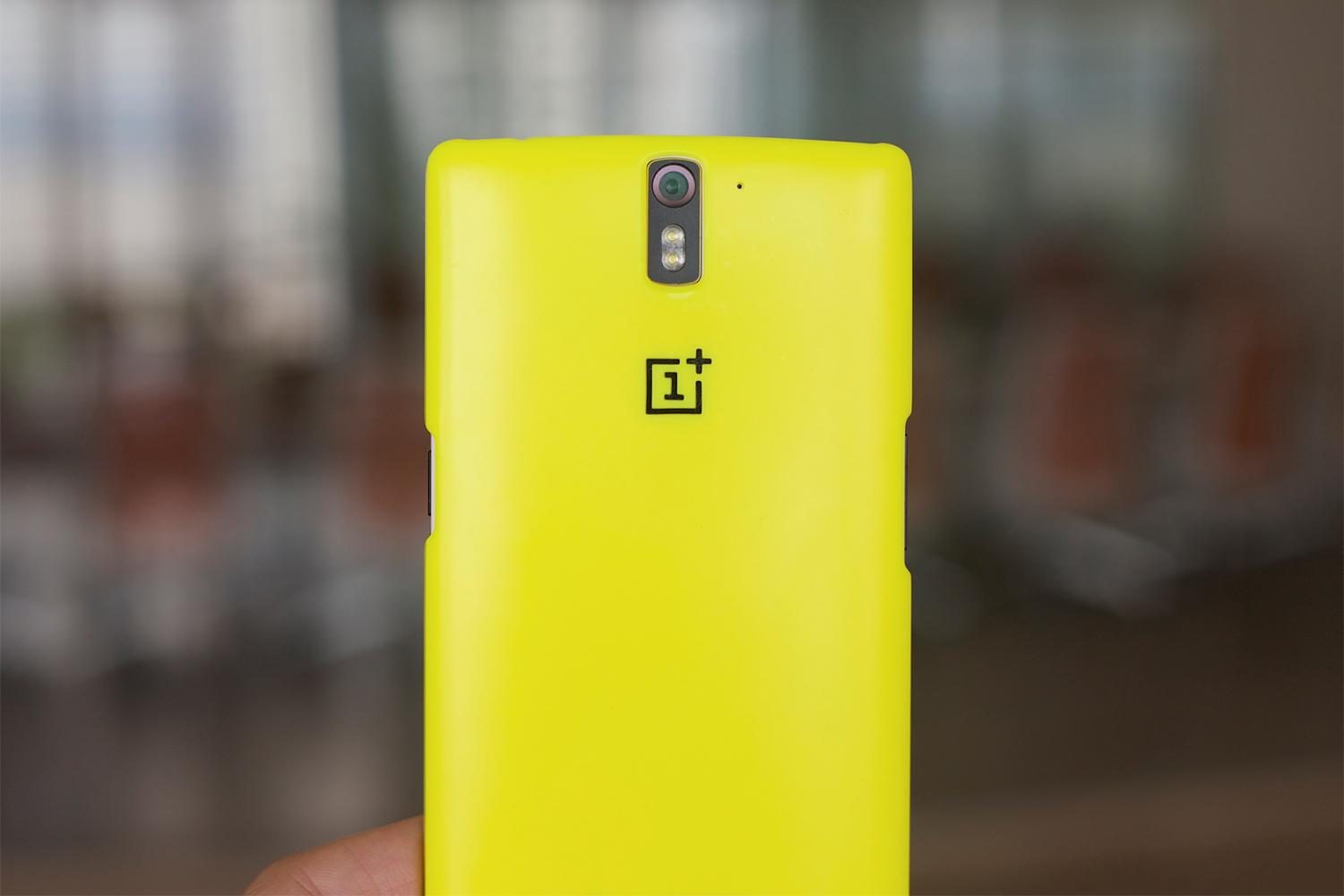
Then came the StyleSwap covers. Suddenly, your phone could be made of bamboo instead of plastic or glass. It sounds ordinary today, but back then it genuinely felt fresh. Instead of asking you to cover your phone with another case, OnePlus wanted the phone itself to feel different. That was the thing about early OnePlus phones — they were memorable for their personality. And the company never really lost that curiosity until the launch of the OnePlus 15, either.
Every few years, it reinvented itself
The OnePlus 2 doubled down on the whole idea of customization with bamboo, rosewood, Kevlar, and Sandstone back covers. Then, just as it seemed textured finishes were becoming its identity, the company changed direction completely. The OnePlus X couldn’t have been more different — it traded rugged textures for glossy glass, polished metal, and even a ceramic version that took weeks to manufacture. It looked elegant, expensive, and unlike anything OnePlus had made before.
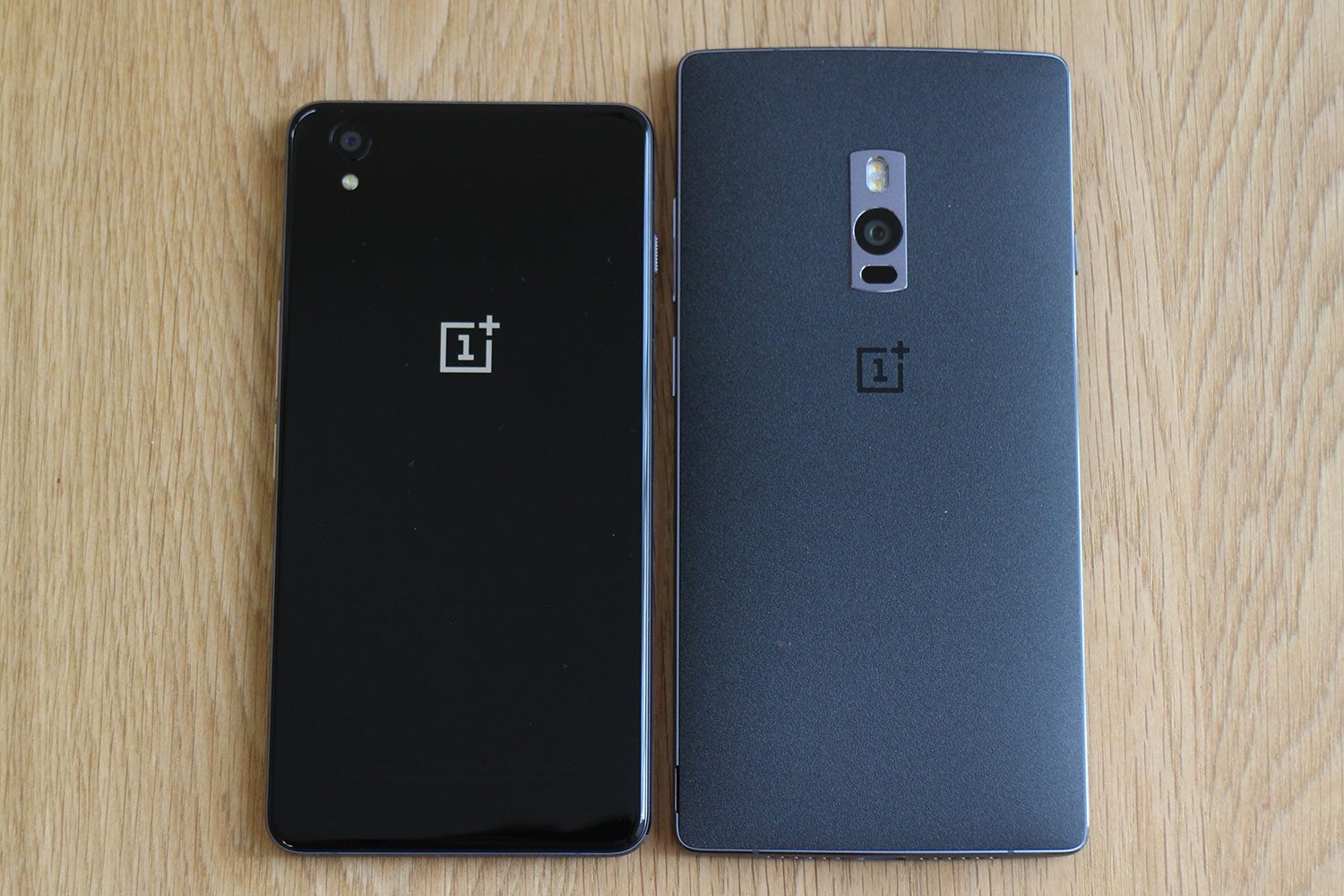
A few years later, the company embraced aluminum unibodies before returning to glass again with the OnePlus 6. On paper, they were all just glass phones. In reality, Mirror Black, Midnight Black, Silk White, and that gorgeous red edition all felt like completely different devices. That was always the fun part; just when you thought OnePlus had settled on a design language, it would surprise you again.
Remember when phones had personality?
If there’s one phone that perfectly sums up why I loved OnePlus’ approach to design, it’s the OnePlus 7T Pro. Even today, I think it’s one of the most beautiful smartphones ever made. Its pop-up selfie camera meant there wasn’t a notch or a punch-hole interrupting the display. The screen stretched from edge to edge, and whenever you wanted to take a selfie, the camera rose from the frame before disappearing again a few seconds later.
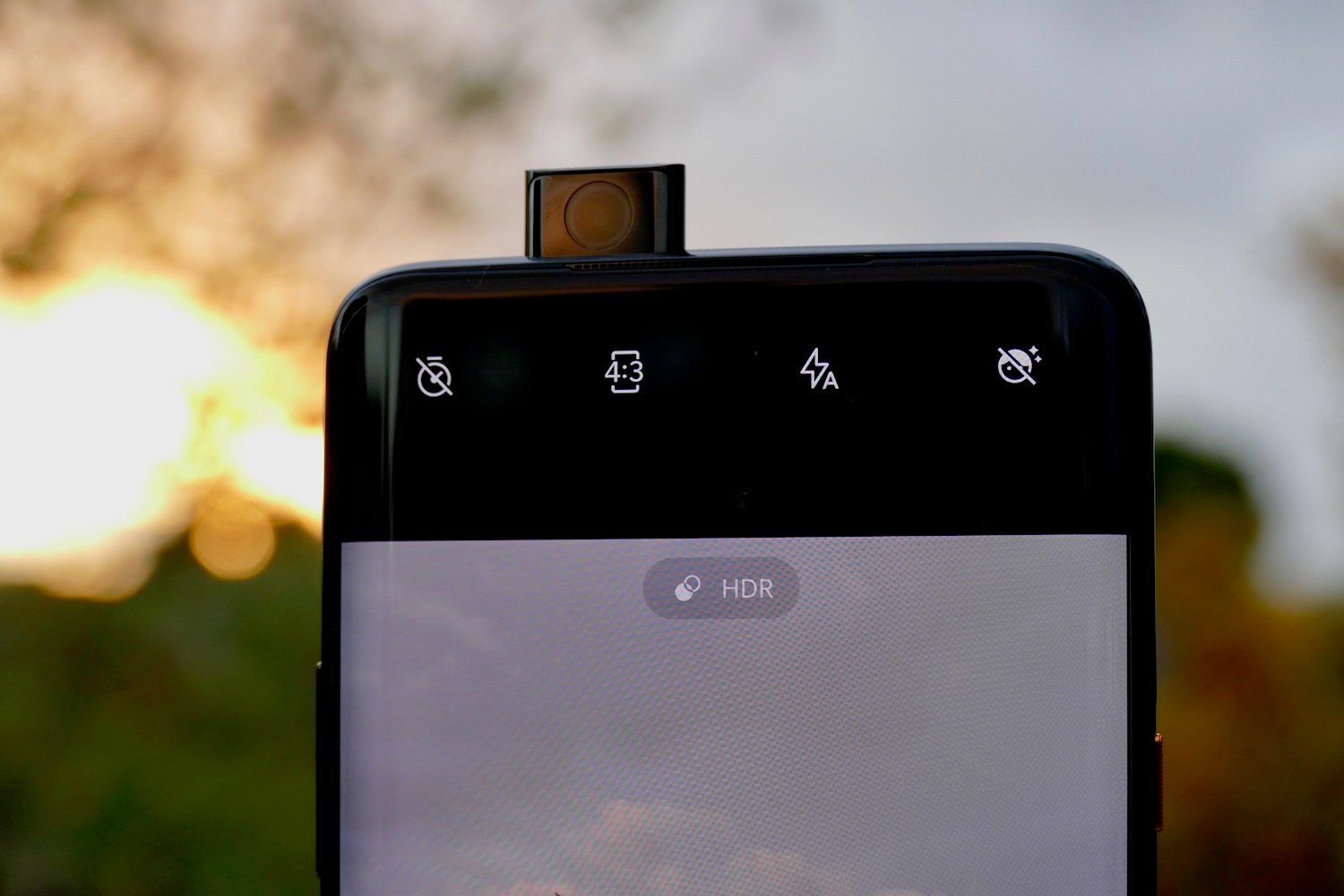
It felt really magical. Pair that with the deep blue finish on the back, and the phone looked futuristic without trying too hard. Years later, I still remember how satisfying it was to unlock it and watch that uninterrupted display light up. OnePlus carried that same mindset into the Concept One, too. It covered the rear with McLaren-inspired leather and used electrochromic glass that could hide the rear cameras when they weren’t in use. Did anyone really need invisible cameras? Probably not. But that’s what made OnePlus exciting. It wasn’t afraid to ask questions that no one else was asking.
Risky? Absolutely. Boring? Never.
Not every OnePlus design became an instant classic. Some were divisive, and a few borrowed a little too much from the competition. But even then, the company rarely settled for being anonymous.
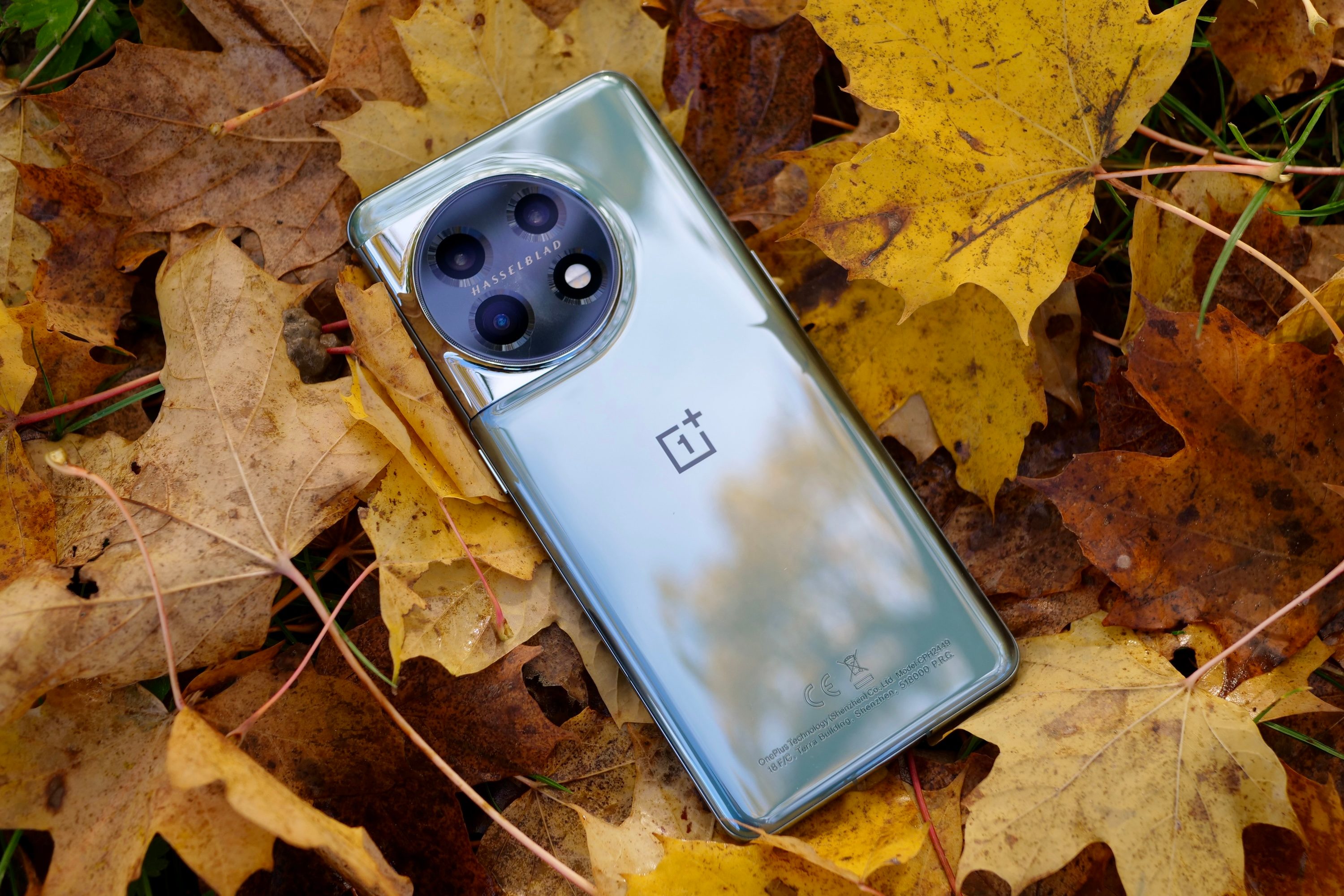
The giant circular camera module on the OnePlus 11 immediately stood out. The OnePlus 12’s Flowy Emerald finish looked like water frozen beneath glass. The OnePlus Open offered a choice between sleek matte glass and understated vegan leather. Even the OnePlus 13 arrived with finishes inspired by silk and natural wood textures, while the Nord 4 brought metal back at a time when almost everyone else had abandoned it. Whether you loved those designs or hated them, they always gave you something to talk about.
Samsung and Google play it much safer
That’s also why losing OnePlus feels bigger than simply losing another smartphone brand. Look at Samsung today — its Galaxy phones are incredibly polished, and I genuinely think they’re among the best Android phones you can buy. But they’ve also become very predictable. Every new generation feels like a careful refinement of the last one.

Google has done something similar with the Pixel. The camera bar has become one of the most recognizable smartphone designs around, and every new Pixel simply builds on that identity. There’s absolutely nothing wrong with either approach. In fact, consistency is part of what makes both brands successful. But consistency rarely surprises you. OnePlus did — it kept changing materials, finishes, textures, camera layouts, and even the way cameras worked. You never really knew what the next OnePlus phone would look or feel like, and that’s something the Android market doesn’t have much of anymore.
Goodbye to Android’s biggest risk-taker
The Android market in the US will be just fine. Samsung isn’t slowing down, and Google will keep pushing the Pixel forward. People will continue buying both, and they have every reason to — they’re two of the best Android phones you can buy.
But I’ll still miss the brand that wasn’t afraid to have a little fun. This is the company that gave us Sandstone backs, bamboo covers, ceramic finishes, leather phones, metal unibodies, pop-up selfie cameras, cameras that disappeared when you weren’t using them, and textures that almost begged you to pick the phone up just to feel them. Sure, not every experiment landed. Some designs divided opinion, while others felt a little too ambitious. But that’s exactly what made OnePlus special. It kept trying new ideas when everyone else seemed happy playing it safe. And that’s why its exit from the US and Europe feels like more than just another company leaving the market. Android hasn’t simply lost another name on a retailer’s shelf. It’s lost one of the very few brands that still believed smartphones could have a personality of their own.
