

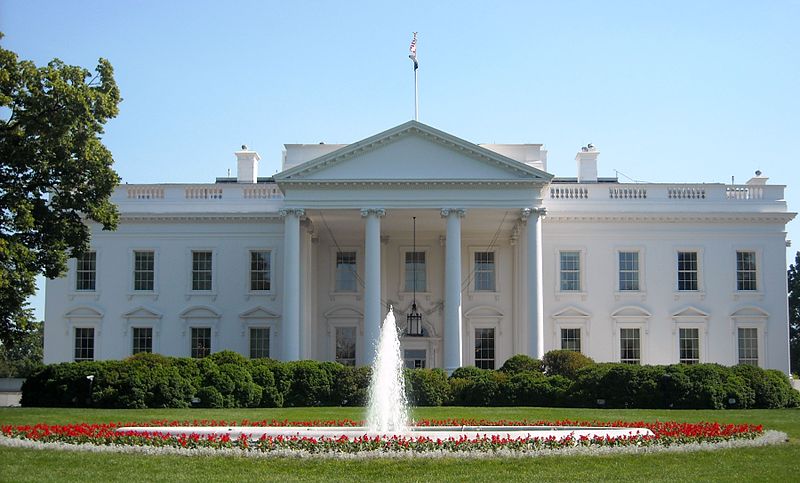
The White House today released a policy document with suggestions on how Congress should regulate artificial intelligence.
The move is not unexpected. In December, U.S. President Donald Trump signed an executive order that instructed White House officials to craft a national AI policy framework. The directive previewed many of the suggestions included in today’s document.
The framework consists of more than two dozen recommendations organized into seven sections. One of the sections that has drawn the most attention calls on Congress to limit states’ ability to regulate AI. Last year, an attempt to include such a rule in the National Defense Authorization Act failed following broad bipartisan pushback.
“Congress should preempt state AI laws that impose undue burdens to ensure a minimally burdensome national standard consistent with these recommendations, not 50 discordant ones,” reads the White House’s policy framework.
Another section of the document focuses on data centers. The White House is asking Congress to streamline the federal permitting process for AI infrastructure projects. The document places particular emphasis on so-called behind-the-meter installations, which are power generation systems co-located with data centers.
Several major data center operators are investing in co-located energy infrastructure. One of them is Google LLC, which recently announced plans to build a cloud campus in Texas with onsite clean power generation systems. The search giant is building the facility in partnership with a utility called AES Corp. that will co-own and co-operate the systems.
A third set of recommendations in the AI policy framework focuses on child safety. The White House is calling on Congress to mandate that AI providers integrate parental controls into their software. According to the document, such controls should enable parents to set screen time limits and manage privacy settings. The document goes on to suggest that lawmakers restrict what kind of data AI providers can use to train models.
At the same time, the White House argues that Congress should limit tech firms’ liability for AI-related risks. “Congress should avoid setting ambiguous standards about permissible content, or open-ended liability, that could give rise to excessive litigation,” reads the document.
The other recommendations in the framework cover more than a half-dozen topics.
Several of the suggested policies are meant to simplify private sector companies’ AI development efforts. According to the White House, Congress should authorize federal agencies to make internal datasets available to model developers. The document also argues for the creation of “regulatory sandboxes for AI applications that help unleash American ingenuity and further American leadership in AI development and deployment.”
The White House said it plans to work “with Congress in the coming months to turn this framework into legislation.”
Photo: Wikimedia Commons
Support our mission to keep content open and free by engaging with theCUBE community. Join theCUBE’s Alumni Trust Network, where technology leaders connect, share intelligence and create opportunities.
- 15M+ viewers of theCUBE videos, powering conversations across AI, cloud, cybersecurity and more
- 11.4k+ theCUBE alumni — Connect with more than 11,400 tech and business leaders shaping the future through a unique trusted-based network.
About SiliconANGLE Media
Founded by tech visionaries John Furrier and Dave Vellante, SiliconANGLE Media has built a dynamic ecosystem of industry-leading digital media brands that reach 15+ million elite tech professionals. Our new proprietary theCUBE AI Video Cloud is breaking ground in audience interaction, leveraging theCUBEai.com neural network to help technology companies make data-driven decisions and stay at the forefront of industry conversations.

