

Hello Cyber Builders 🖖
Cybersecurity marketing is undergoing a transformation. For years, the industry was notorious for its lack of originality—repetitive jargon, endless acronyms, and the ubiquitous image of a padlock on a dark background. Every company seemed indistinguishable from the next.
But the landscape is shifting. A new wave of startups is breaking the codes and injecting new ideas, more creativity, and authenticity into how cybersecurity is communicated. This evolution is refreshing. It’s also reshaping how the industry connects with its audience.
-
Why traditional cybersecurity marketing feels repetitive, fear-driven, and visually indistinguishable.
-
How Wiz’s pop‑art approach kicked off a new, brighter, more welcoming visual language in security.
-
Four standout startups (Mokn, Legion, Vega, Mate) and the metaphors behind their bold aesthetics.
-
What these new designs reveal about communicating trust, innovation, and human‑centric AI in cybersecurity.
Let’s start with a simple experiment: I asked an oracle—ChatGPT—to sketch the homepage of a cybersecurity company selling advanced detection systems.
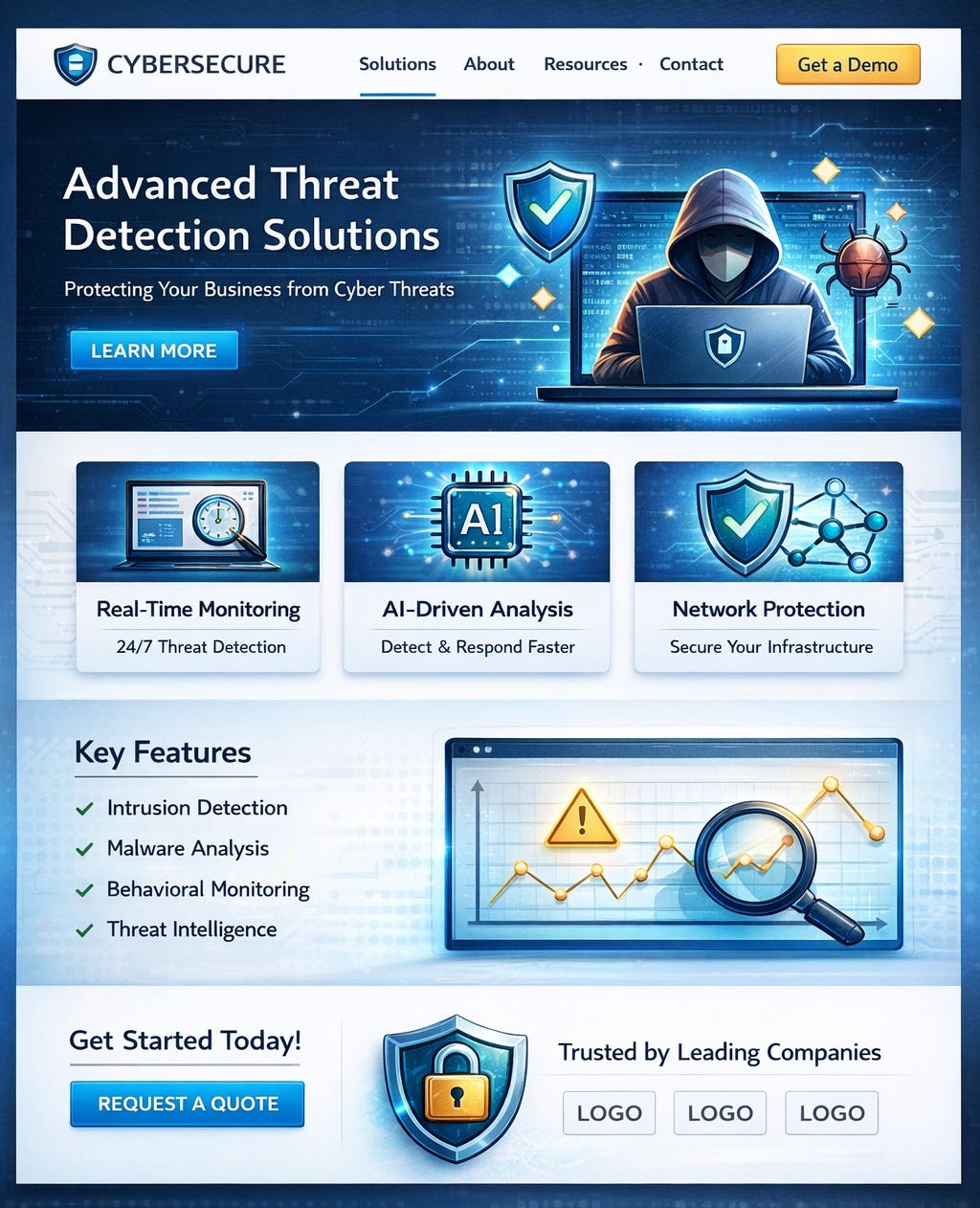
The result? A familiar, almost predictable template: dark backgrounds, flashes of blue, pink, violet, or green, padlocks, hooded hackers, and abstract spirals of pixels. It’s all very sci-fi—but in the worst sense of the term. The visual language is so standardized that you’d be hard-pressed to tell one company’s site from another’s.
AI-generated content is a symptom of an industry that, for too long, has relied on the same tired tropes to signal “security.”
I personally see this as a big irony. In an era where differentiation is everything, cybersecurity marketing has become a sea of sameness. The question is: How do we break out of this visual and narrative rut? And more importantly, what does it say about how we communicate trust, innovation, and value in this space?
One company broke the code.
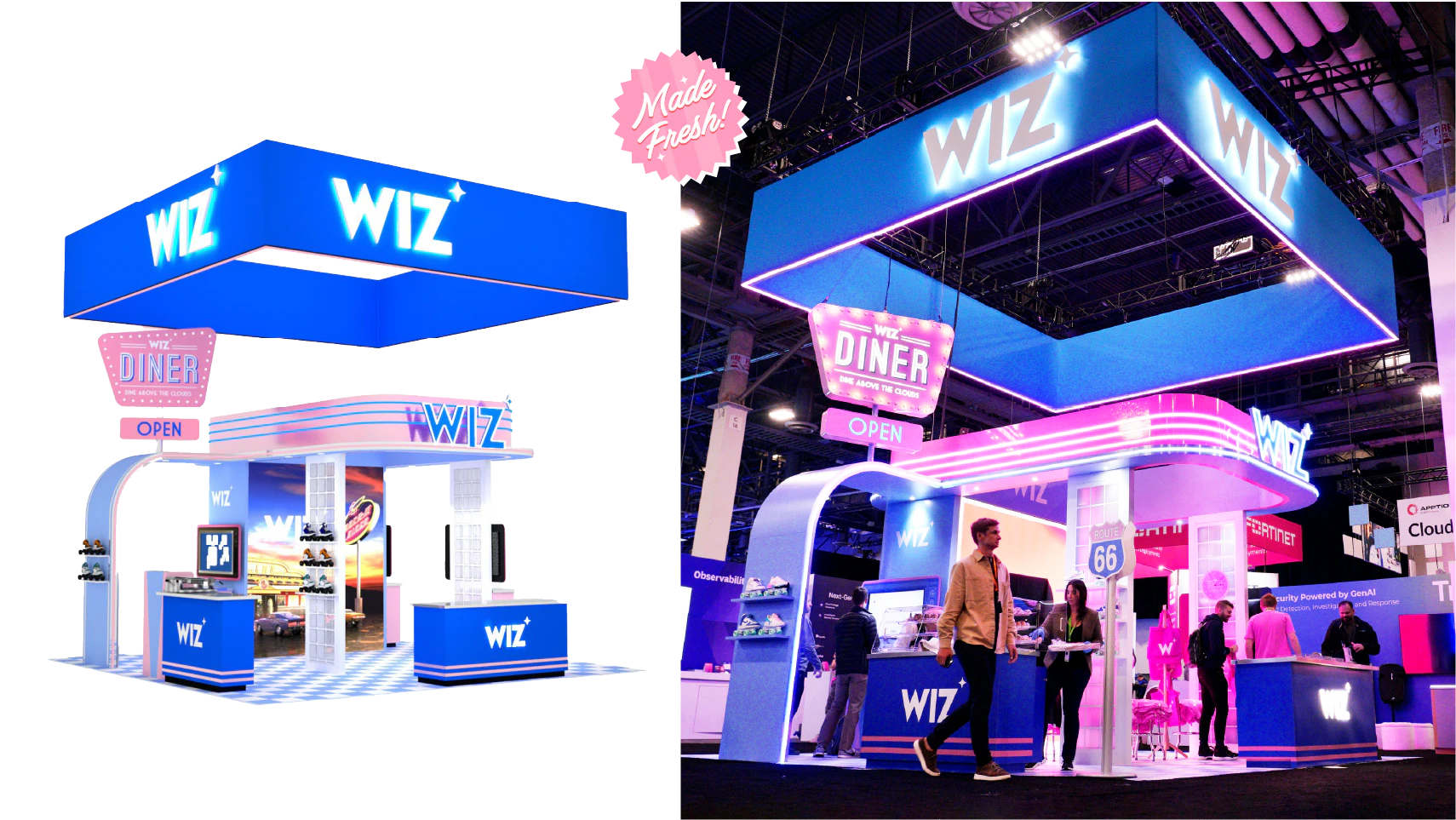
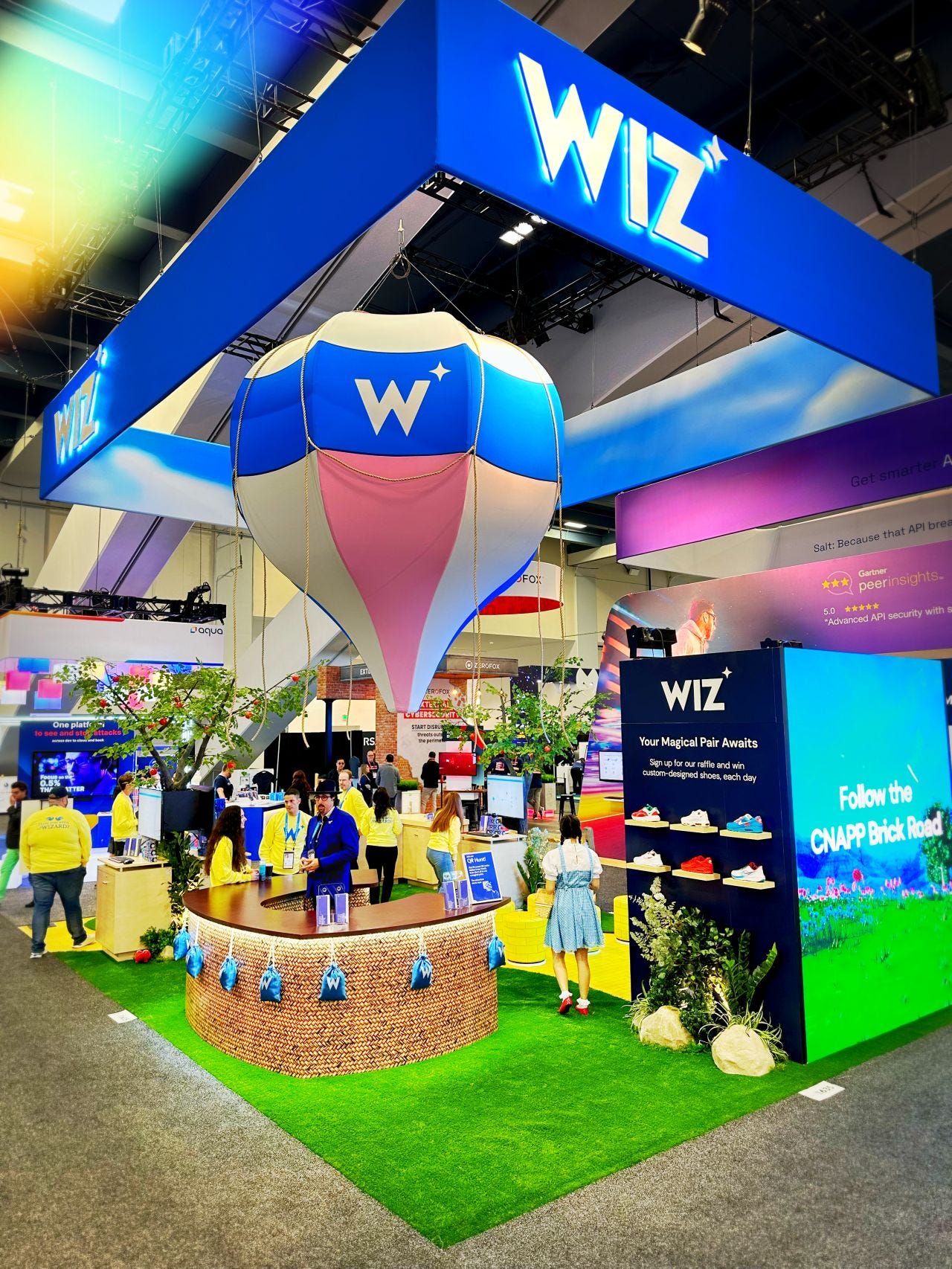
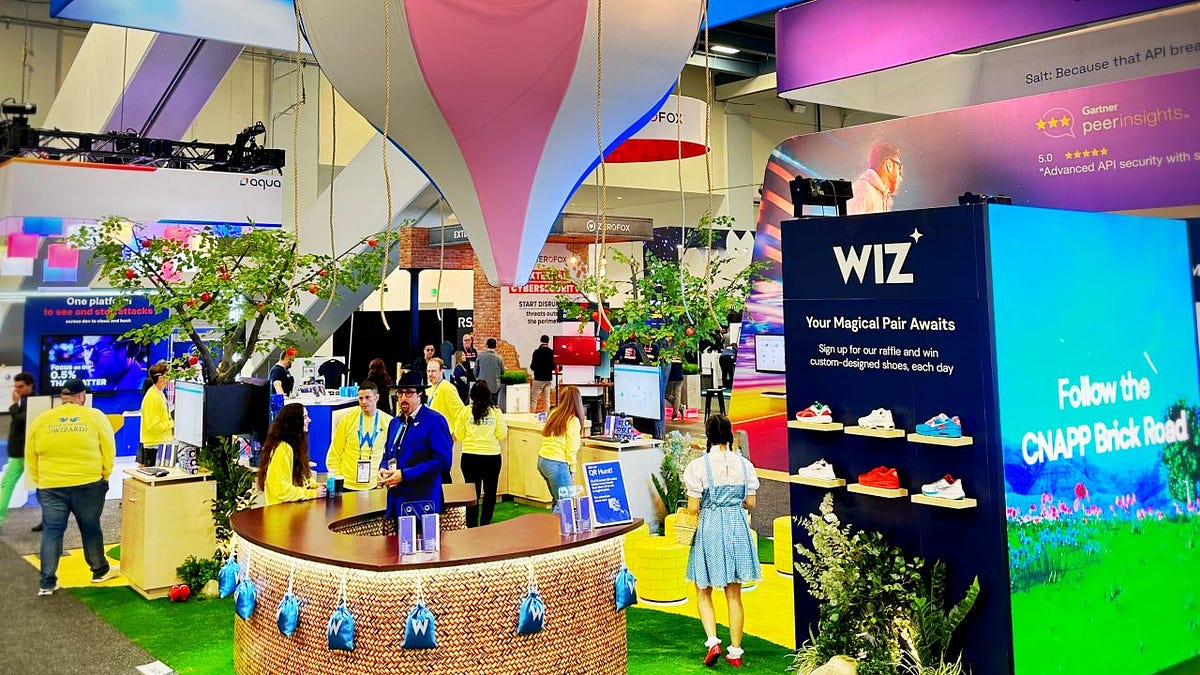
A few years ago, a now-famous player—Wiz—started using light blue backgrounds and bright pink accents for text and diagrams. Their event booths looked like something out of an Andy Warhol exhibition: shiny, saturated colors everywhere.
The message was clear: cybersecurity doesn’t have to be dark and fearful. It doesn’t always need to look sci-fi. It can be bright, colorful, and welcoming.
If you want to dive deeper into their marketing tactics, I highly recommend Tom Orbach’s blog, which is packed with fresh ideas for cybersecurity brands.
But the best startups today understand this shift. They adopted a new aesthetic, a new approach to design. Let me share some examples of what I consider the most innovative and interesting in the market.
I selected four startups: Vega, Mate, Legend, and Mokn, all with very different looks, all new, and not the dark look we used to use in our field.
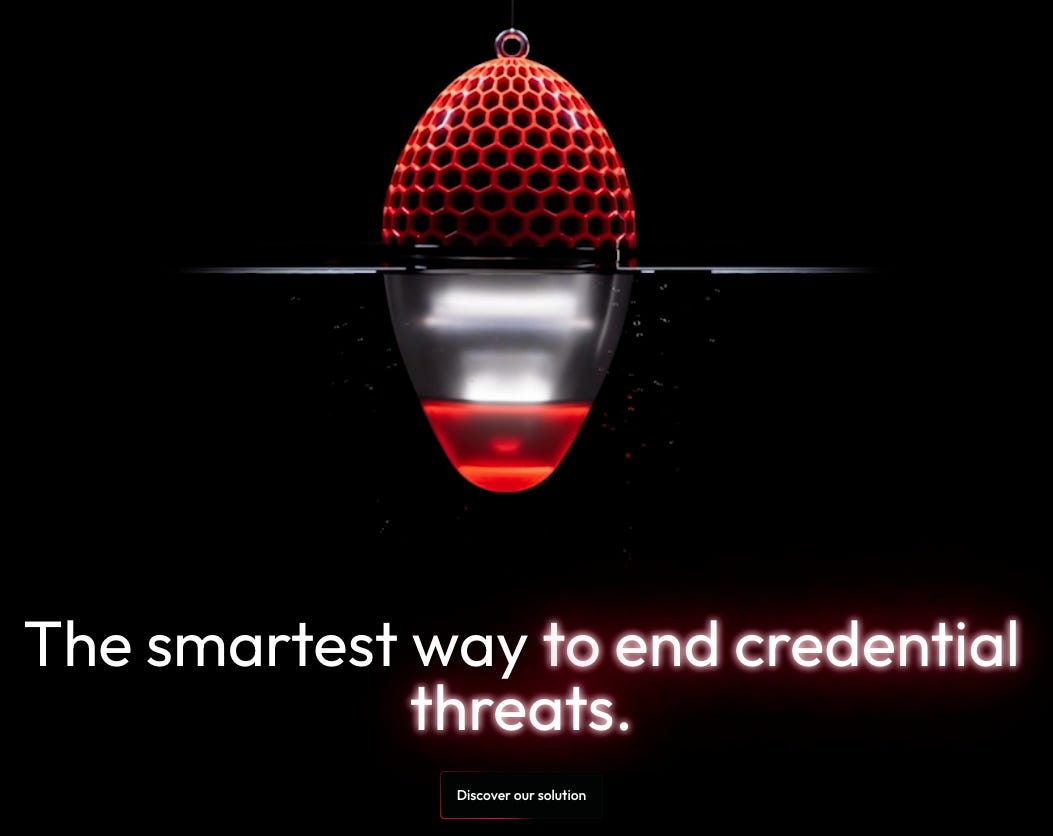
Most cybersecurity sites rely on shields, locks, hackers in hoodies, network graphs, and blue gradients, but this image avoids all those clichés by using a metaphorical object that feels engineered, contained, controlled, and powerful.
The horizontal split line is psychologically powerful.
It suggests that hidden threats lie beneath the surface and Credentials Are compromised out of sight… A world users don’t see. Credential attacks are often invisible (token theft, session hijacking, cookie replay, MFA bypass). This visual reflects that reality without explicitly explaining it.
There are no product screenshots, no feature lists. But the claim is bold, emotional, outcome-oriented: End credential threats.
See https://www.legionsecurity.ai/
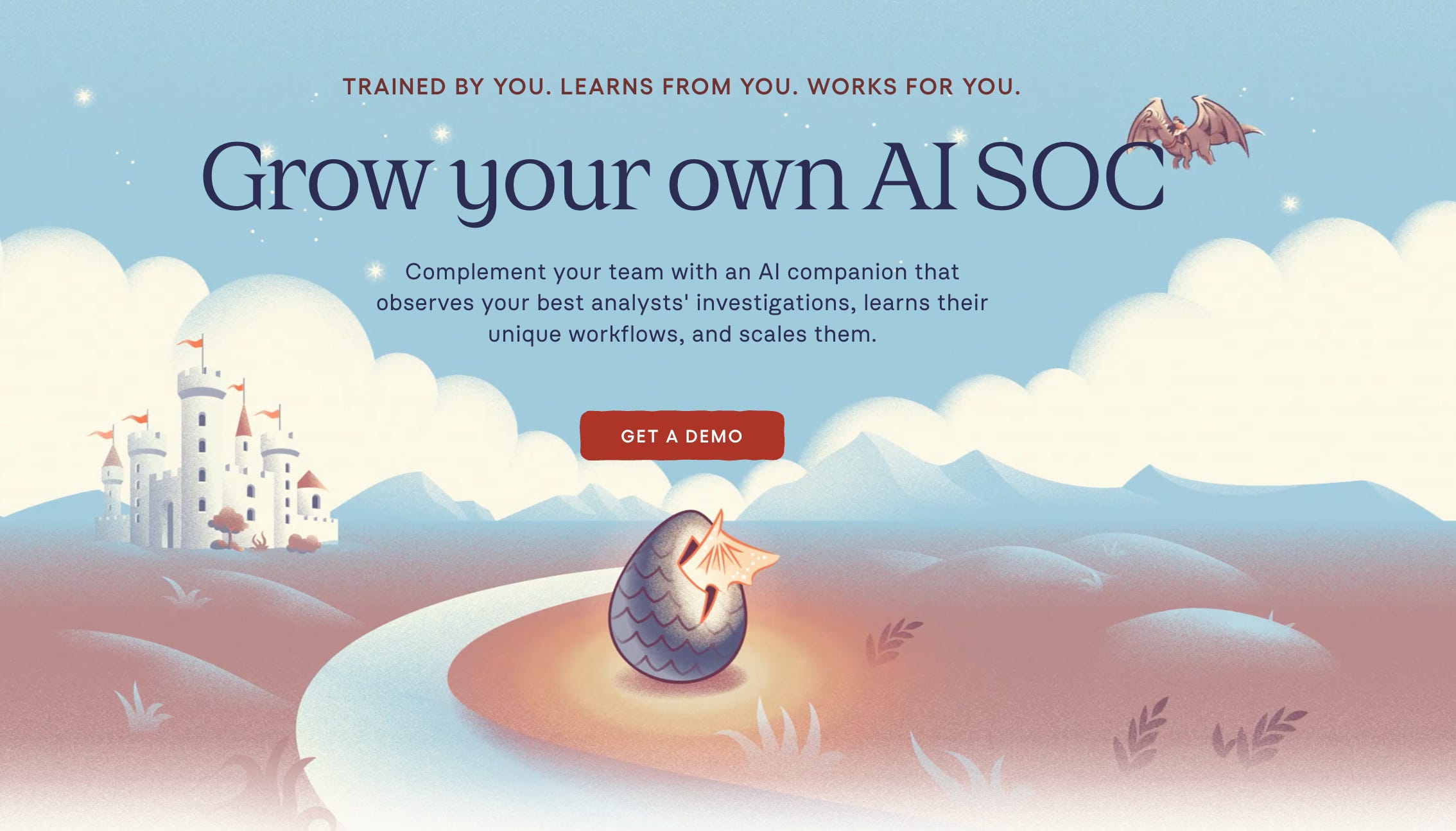
What do we see on their website? A soft pastel landscape with hills and clouds, a medieval castle on the left, a dragon flying in the sky, a dragon egg in the foreground, glowing. What does it mean?
It looks like a fantasy book cover or a Pixar concept art. Some elements of pop culture.
The “Dragon Egg” metaphor is clever. The egg represents potential and personalization—something uniquely yours. The baby dragon signifies power, autonomy, and guardianship.
In cybersecurity, this metaphor relates to AI trained on your analysts’ workflows, capturing institutional knowledge, and scaling human expertise.
See https://vega.io/
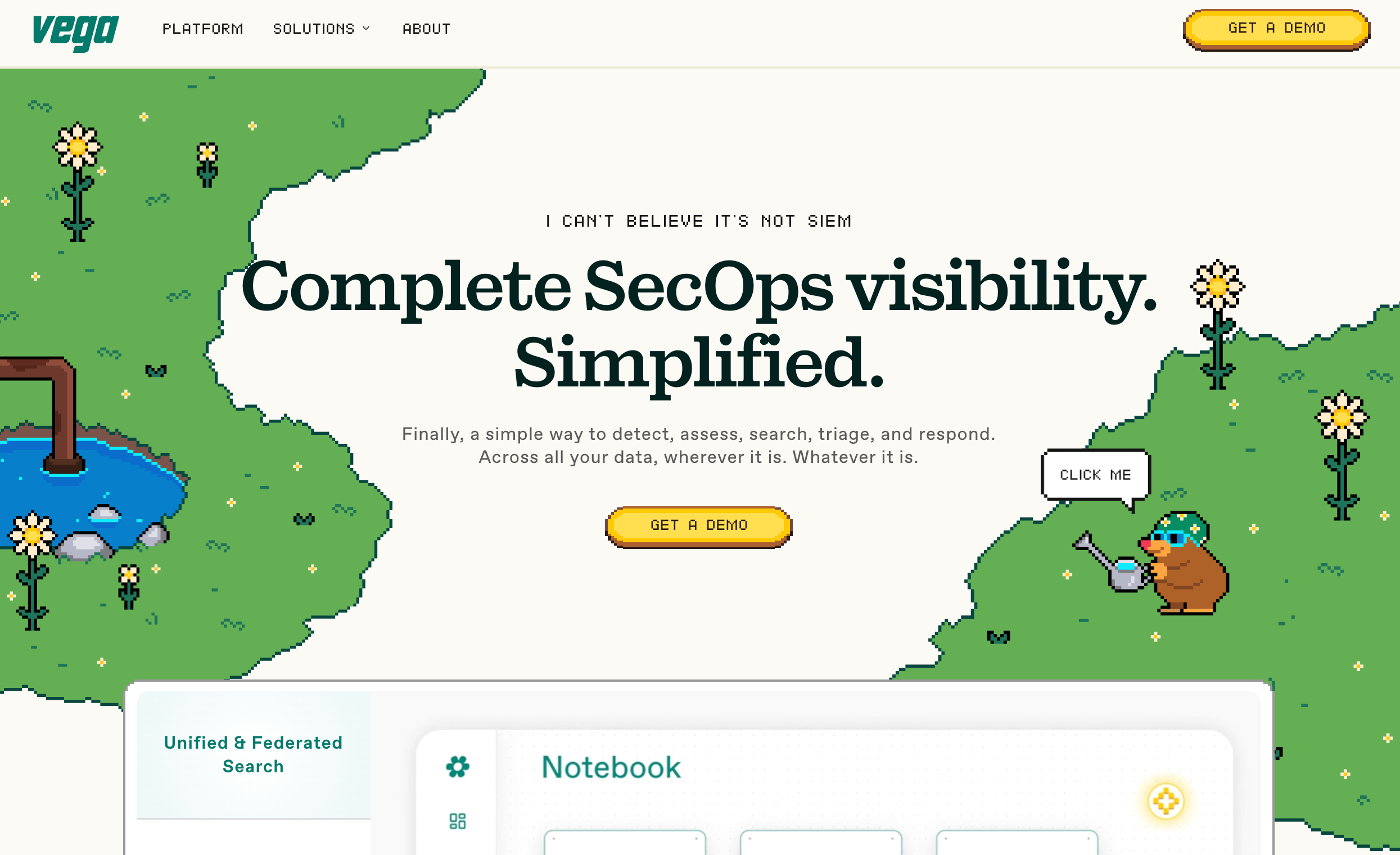
Vega feels a bit more geeky, using retro-gaming code as another pop culture element. It features a full pixel-art aesthetic (8-bit/retro video game style), with green grassy landscapes and a small pond with a pipe pouring water.
It makes it impossible to confuse them with Splunk, Datadog, Elastic, Sentinel, or CrowdStrike.
The gardening metaphor is strategic: security operations are messy—too many logs, too much data, too many alerts, overgrown systems. The pixel garden subtly suggests cultivating your environment, increasing visibility, managing complexity, and maintaining health.
“I Can’t Believe It’s Not SIEM”. This line is category positioning genius.
In a few words, they are claiming: “We are in the SIEM category. But we are NOT traditional SIEM. We replace SIEM complexity. We simplify without losing capability.” Congrats!
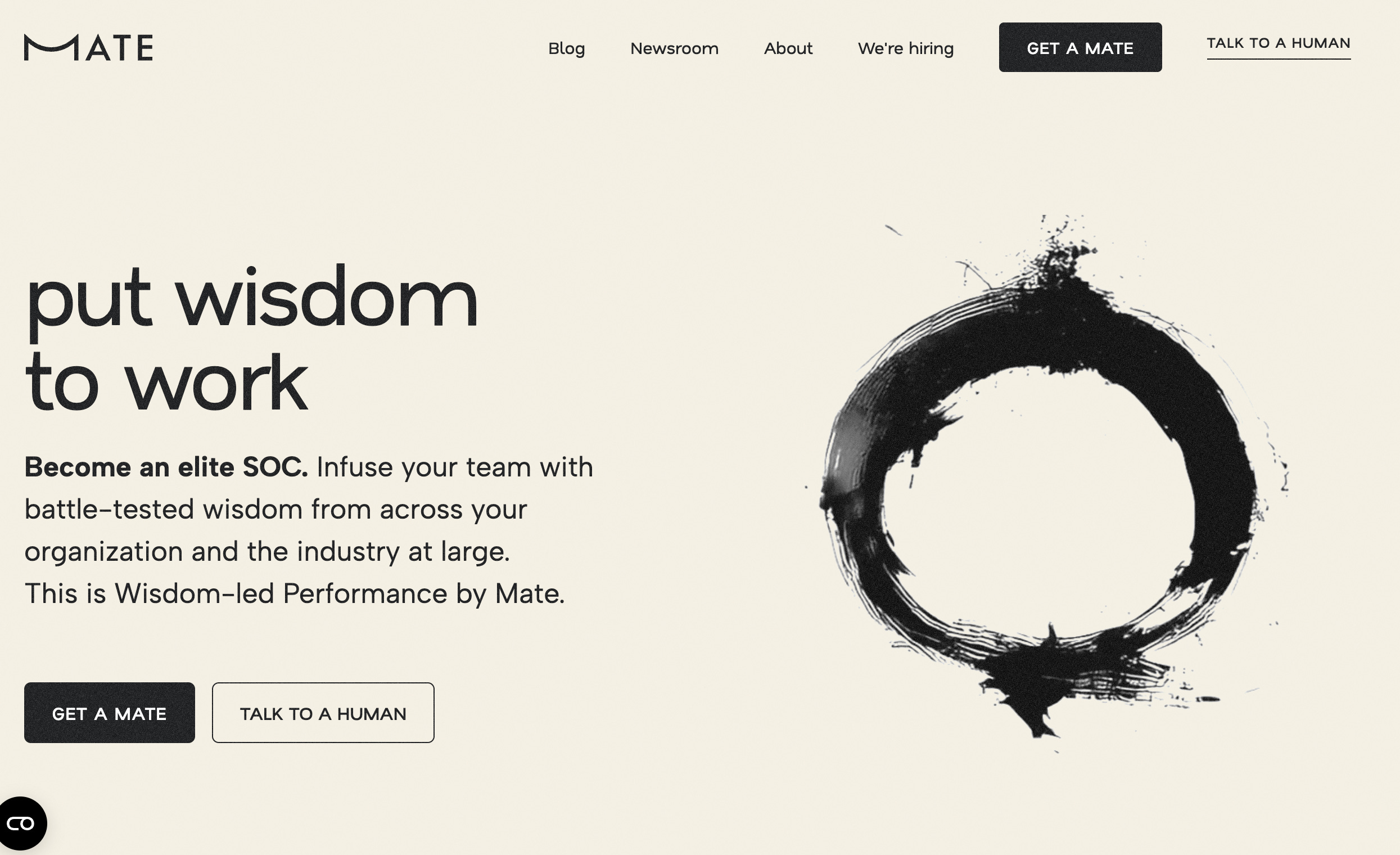
My preferred aesthetic emphasizes a minimalist visual style: a beige background with a prominent black brushstroke circle (Zen enso) and minimal decoration The central visual element is a Japanese Zen-style enso circle, painted with a rough brush.
The enso symbolizes mastery, experience, discipline, and the idea of completing something without perfection. In Zen philosophy, it embodies strength through restraint, wisdom through practice, and simplicity that arises from mastery.
This design says: we don’t need noise. We don’t need glowing dashboards. Nor do we need metaphors of dragons or gardens.
It’s almost luxury-brand minimalism. Channel, Vuitton, Hermes. Gucci
This indicates that AI should serve as a support function, with human wisdom remaining central. It aligns with the idea that AI augments security professionals rather than replaces them.
Cybersecurity doesn’t have to hide behind shadows and buzzwords. The new generation of security startups is proving that bold visuals, clear metaphors, and human‑centric AI can make complex technology feel understandable—and even enjoyable.
This shift has started with a few brave teams. The question now is: will the rest of the industry follow?
I’ll be at RSA Conference 2026 – please DM me to route me to the most innovative booths and companies.
