

Something interesting just happened in China’s AI scene, and it didn’t come with fireworks or chest-thumping press conferences.
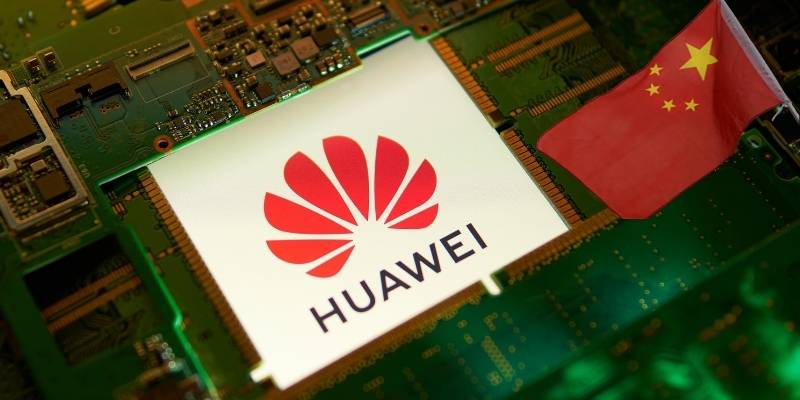
Instead, it arrived almost casually – which somehow makes it more impressive. Zhipu AI, a well-known Chinese artificial intelligence company, says it has trained a cutting-edge image generation model entirely on Huawei’s homegrown chips. No Nvidia GPUs.
No Western hardware safety net. Just local silicon doing the heavy lifting. That alone makes people stop scrolling and ask: wait, how did that happen?
You can dig into the technical details through reporting that surfaced earlier this week on InfoWorld.
The model, called GLM-Image, was trained using Huawei’s Ascend AI processors and its MindSpore framework – an end-to-end setup that shows China isn’t just talking about tech self-reliance anymore. It’s actually doing the work.
For years, advanced AI development has leaned heavily on Nvidia’s ecosystem. Now, at least in this case, Zhipu is saying, “We found another way.” Whether that way is better, faster, or just necessary is still up for debate.
And let’s be honest – necessity is a huge part of this story. U.S. export controls have made it harder for Chinese companies to access top-tier AI chips, pushing them toward domestic alternatives whether they like it or not. Some firms adapted slowly. Others stalled.
Zhipu went all in. Analysts tracking the tech standoff between Washington and Beijing have warned for a while that restrictions could accelerate local innovation, a point explored in depth by RAND.
What’s fascinating is that not everyone in China’s AI industry was convinced this would work. Developers have long complained that Huawei’s chip ecosystem lags behind Nvidia’s in tooling, documentation, and developer friendliness.
Switching platforms isn’t just flipping a switch – it’s rewriting code, retraining teams, and dealing with performance quirks.
That skepticism hasn’t disappeared overnight, even as breakthroughs like this emerge, according to coverage in the South China Morning Post.
Zoom out a bit, and this achievement plugs directly into China’s bigger industrial ambitions. For years, policymakers have pushed for independence in critical technologies, from semiconductors to AI infrastructure.
Programs like Made in China 2025 weren’t just slogans – they were roadmaps, sometimes controversial ones, aimed at reducing reliance on foreign tech suppliers.
That broader context helps explain why a single AI model trained on domestic chips carries so much symbolic weight, as outlined in background material on Wikipedia.
Here’s the part people don’t always say out loud: this doesn’t mean Huawei’s chips suddenly beat Nvidia’s best hardware.
They don’t. Performance gaps remain, and global AI leaders still prefer Nvidia for good reasons. But Zhipu’s move proves that China can now build competitive models despite those gaps. That’s not a knockout punch – it’s more like landing a solid jab that changes the rhythm of the fight.
So where does that leave us? Somewhere uncomfortable and intriguing. If Chinese firms can train serious AI systems on local chips today, what happens in five years?
Does the ecosystem mature? Do developers stop complaining? Or does Nvidia remain untouchable at the top? Nobody knows for sure – and that uncertainty is exactly why this story matters.
For now, one thing is clear: Zhipu didn’t just train a model. It sent a message. And in a global tech landscape shaped by restrictions, rivalry, and rapid innovation, messages like that tend to echo.
