
Close Menu

    Subscribe to Updates

    Get the latest creative news from infofortech

    What's Hot

    I’ve Waited 8 Years for Overwatch’s D.Mon. Her Gameplay Didn’t Disappoint

    August 7, 2026

    Our Favorite Fans Are on Sale to Help With Summer Heat Waves (2026)

    August 7, 2026

    What Chocolate Finance got right about S’pore’s changing savings habits

    August 7, 2026
    Facebook X (Twitter) Instagram
    InfoForTech
    • Home
    • Latest in Tech
    • Artificial Intelligence
    • Cybersecurity
    • Innovation
    Facebook X (Twitter) Instagram
    InfoForTech
    Home»Innovation»This new technology could make spotting fake products easier for everyone
    Innovation

    This new technology could make spotting fake products easier for everyone

    InfoForTechBy InfoForTechAugust 6, 2026No Comments3 Mins Read
    Facebook Twitter Pinterest Telegram LinkedIn Tumblr WhatsApp Email
    This new technology could make spotting fake products easier for everyone
    Share
    Facebook Twitter LinkedIn Pinterest Telegram Email


    Counterfeit goods are becoming increasingly sophisticated, forcing brands to rely on expensive authentication systems that often require specialized scanners or proprietary hardware. Researchers now believe a smartphone could do much of that work instead. A team has developed a new printing system that creates responsive anti-counterfeit labels that are more durable, easier to mass-produce, and can be verified using nothing more than a phone. The research was published in the International Journal of Materials and Product Technology.

    At first glance, the technology looks like another incremental improvement in product security. In reality, it addresses one of the biggest limitations of anti-counterfeit systems today: accessibility. If authentication only works with expensive equipment, it becomes difficult to deploy at scale. By enabling smartphone-based verification, the technology could make counterfeit detection practical for manufacturers, retailers, and even consumers.

    A smarter label that reacts to light and temperature

    The new system combines three technologies into a single printable label. Researchers developed temperature- and light-responsive microcapsules, paired them with a UV ink formulated for high-speed printing, and created a portable smartphone-based detection system capable of verifying authenticity. The microcapsules contain functional materials that react to environmental conditions, producing optical signatures that are difficult to replicate using conventional printing methods.

    Representative Image
    Representative Image Unsplash

    Durability was another design priority. According to the researchers, nanotechnology-based linkers strengthen the polymer capsules, allowing the labels to remain stable under heat and humidity. The ink contains no volatile organic solvents, making it compatible with both screen and inkjet printing while remaining suitable for large-scale manufacturing. Even after repeated cold-storage testing, the labels retained more than 83% color fastness, suggesting they could withstand demanding supply chains.

    Verification happens through a smartphone. A portable detector measures how light interacts with the printed label, and a machine-learning model then analyzes the captured data to determine whether the product is genuine. During testing, the system achieved nearly 97.5% accuracy, even when distinguishing between authentic labels and convincing counterfeits.

    Why smartphone verification could matter

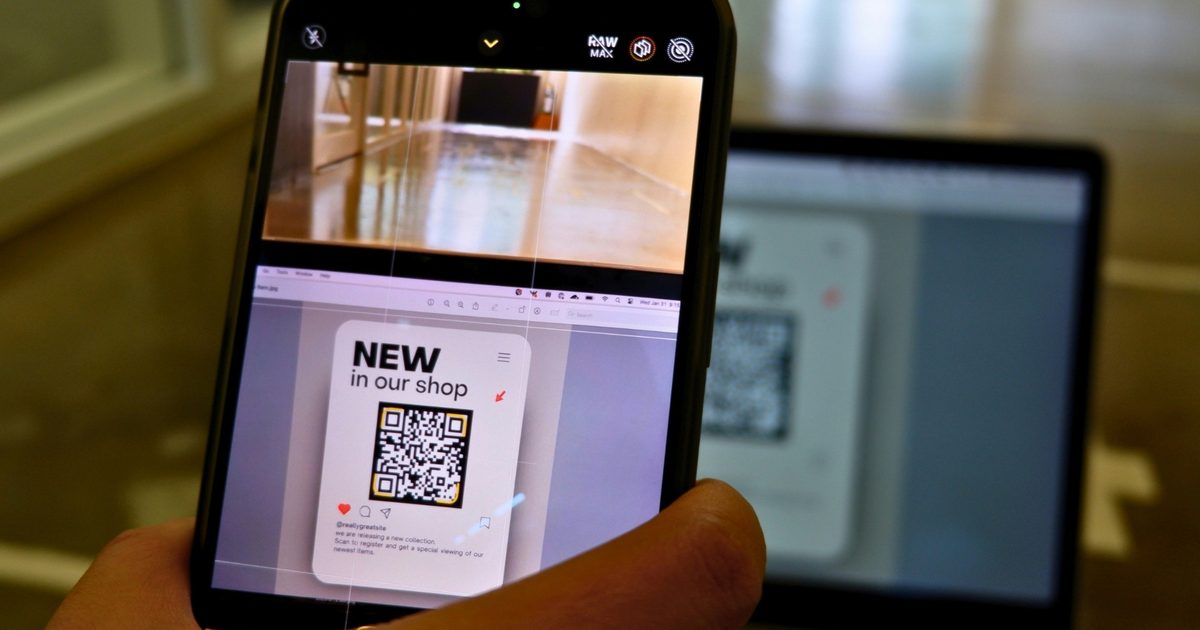
    Counterfeit products affect industries ranging from luxury goods and pharmaceuticals to electronics and food packaging. While companies continue investing in holograms, QR codes, and RFID-based security features, many of those systems either add cost or require dedicated verification hardware.

    Representative Image
    Representative Image Unsplash

    A smartphone-compatible authentication system changes that equation. Because nearly every supply chain participant already carries a smartphone, the barrier to verifying products becomes dramatically lower. That could make authentication faster at warehouses, easier for retailers, and potentially accessible to consumers checking a product before making a purchase.

    The researchers believe the technology could eventually be used across multiple packaging industries, though commercial deployment will depend on manufacturers integrating the printing process into existing production lines. If that happens, the next generation of anti-counterfeit labels may not rely on increasingly complex security features alone. Instead, they may simply rely on the device already sitting in your pocket.

    Share. Facebook Twitter Pinterest LinkedIn Tumblr Email
    InfoForTech
    • Website

    Related Posts

    Our Favorite Fans Are on Sale to Help With Summer Heat Waves (2026)

    August 7, 2026

    Naïve bags $28.5M in funding to automate the creation and day-to-day running of almost any business

    August 7, 2026

    Leveraging The Sales Engagement Platforms For Pipeline Growth: A Guide

    August 7, 2026

    OpenAI’s first gadget sounds like a tiny expressive AI companion

    August 6, 2026

    DeepMind Says Its AI Can Predict Hurricanes Earlier Than Everyone Else

    August 6, 2026

    Framewerx acquires AD Micro Technology to widen its AI-driven managed services

    August 6, 2026
    Leave A Reply Cancel Reply

    Advertisement
    Top Posts

    A Billionaire-Backed Startup Wants to Grow ‘Organ Sacks’ to Replace Animal Testing

    March 23, 2026196 Views

    DoJ Disrupts 3 Million-Device IoT Botnets Behind Record 31.4 Tbps Global DDoS Attacks

    March 20, 202638 Views

    Microsoft is bringing an AI helper to Xbox consoles

    March 14, 202619 Views

    Why Security Validation Is Becoming Agentic

    March 16, 202616 Views
    Stay In Touch
    • Facebook
    • Twitter
    • Pinterest
    • Instagram
    • YouTube
    • Vimeo
    Advertisement
    About Us
    About Us

    Our mission is to deliver clear, reliable, and up-to-date information about the technologies shaping the modern world. We focus on breaking down complex topics into easy-to-understand insights for professionals, enthusiasts, and everyday readers alike.

    We're accepting new partnerships right now.

    Facebook X (Twitter) YouTube
    Most Popular

    A Billionaire-Backed Startup Wants to Grow ‘Organ Sacks’ to Replace Animal Testing

    March 23, 2026196 Views

    DoJ Disrupts 3 Million-Device IoT Botnets Behind Record 31.4 Tbps Global DDoS Attacks

    March 20, 202638 Views

    Microsoft is bringing an AI helper to Xbox consoles

    March 14, 202619 Views
    Categories
    • Artificial Intelligence
    • Cybersecurity
    • Innovation
    • Latest in Tech
    © 2026 All Rights Reserved InfoForTech.
    • Home
    • About Us
    • Contact Us
    • Privacy Policy

    Type above and press Enter to search. Press Esc to cancel.

    Ad Blocker Enabled!
    Ad Blocker Enabled!
    Our website is made possible by displaying online advertisements to our visitors. Please support us by disabling your Ad Blocker.